Read How to Identify a Building's Style: A Field Guide to Architectural Styles
Every street in Europe — and by now most streets everywhere — is an examination in architectural history that nobody set and everybody walks through. A Roman temple front turns out to be a bank of 1820. A medieval castle was finished the year the telephone was patented. A church wears pointed arches and was built by Victorians who had never seen the Middle Ages except in engravings. This book teaches the skill that sorts them: not a list of styles to memorise, but a method of looking — six passes across any building, in a fixed order, each pass asking the question the building is least able to fake. Silhouette first, then structure, openings, ornament, materials and plan; then the verdict, stated with its confidence and its second choice. Eleven field chapters work the method style by style, from the Romanesque fortress church to the Brutalist estate. Four closing chapters take it into the field: the vernacular buildings no style label fits, the dichotomous key that separates the great confused pairs, the layered and restored and faked buildings that fill real streets, and one complete slow reading — Sainte-Chapelle, pass by pass — to show what the method sounds like when it is done well.
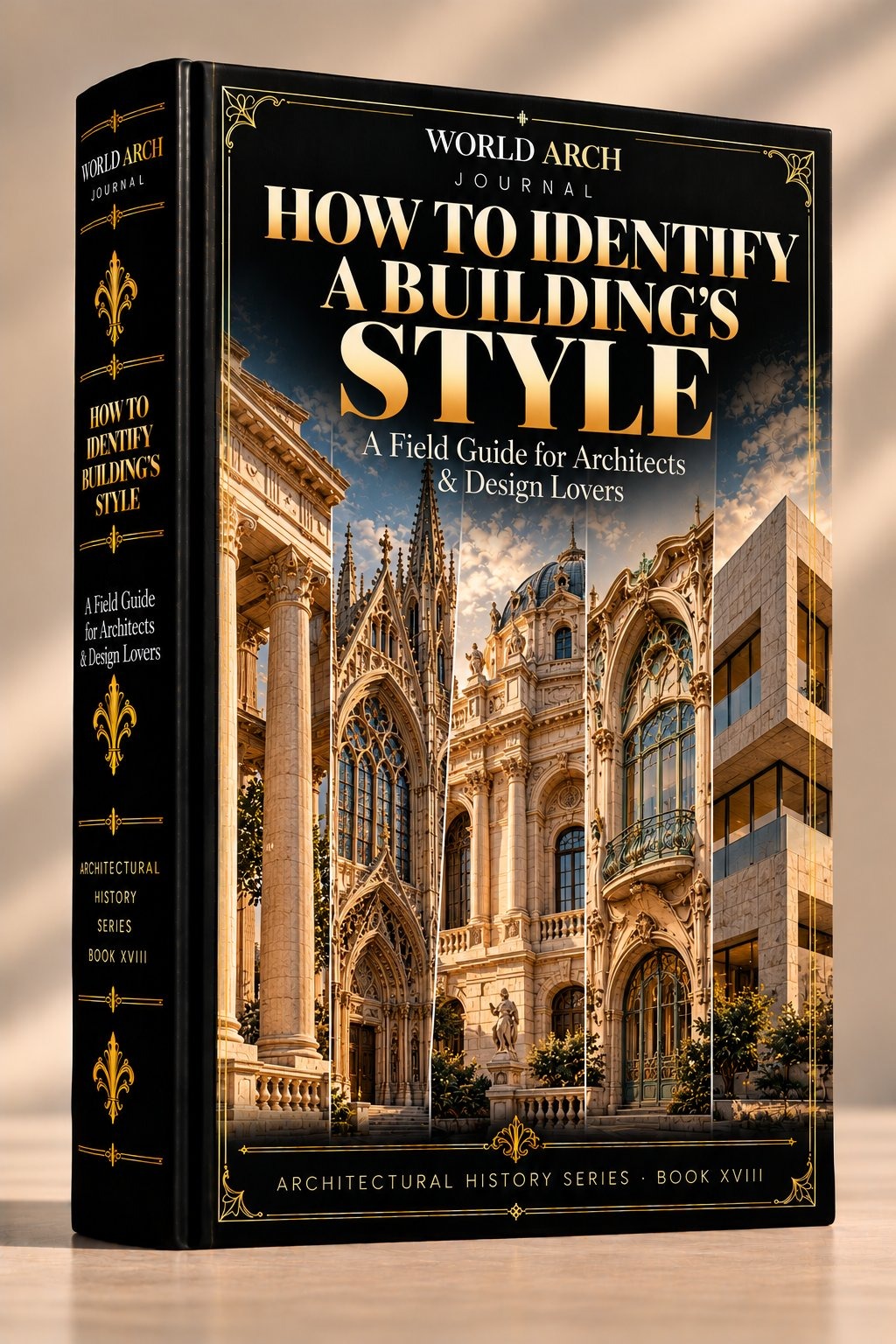
Read the complete book free on this page in the interactive page-flip reader (97 pages, no signup). The reader needs JavaScript; the same text is published as the web edition, and the print-quality PDF is available from the book page.