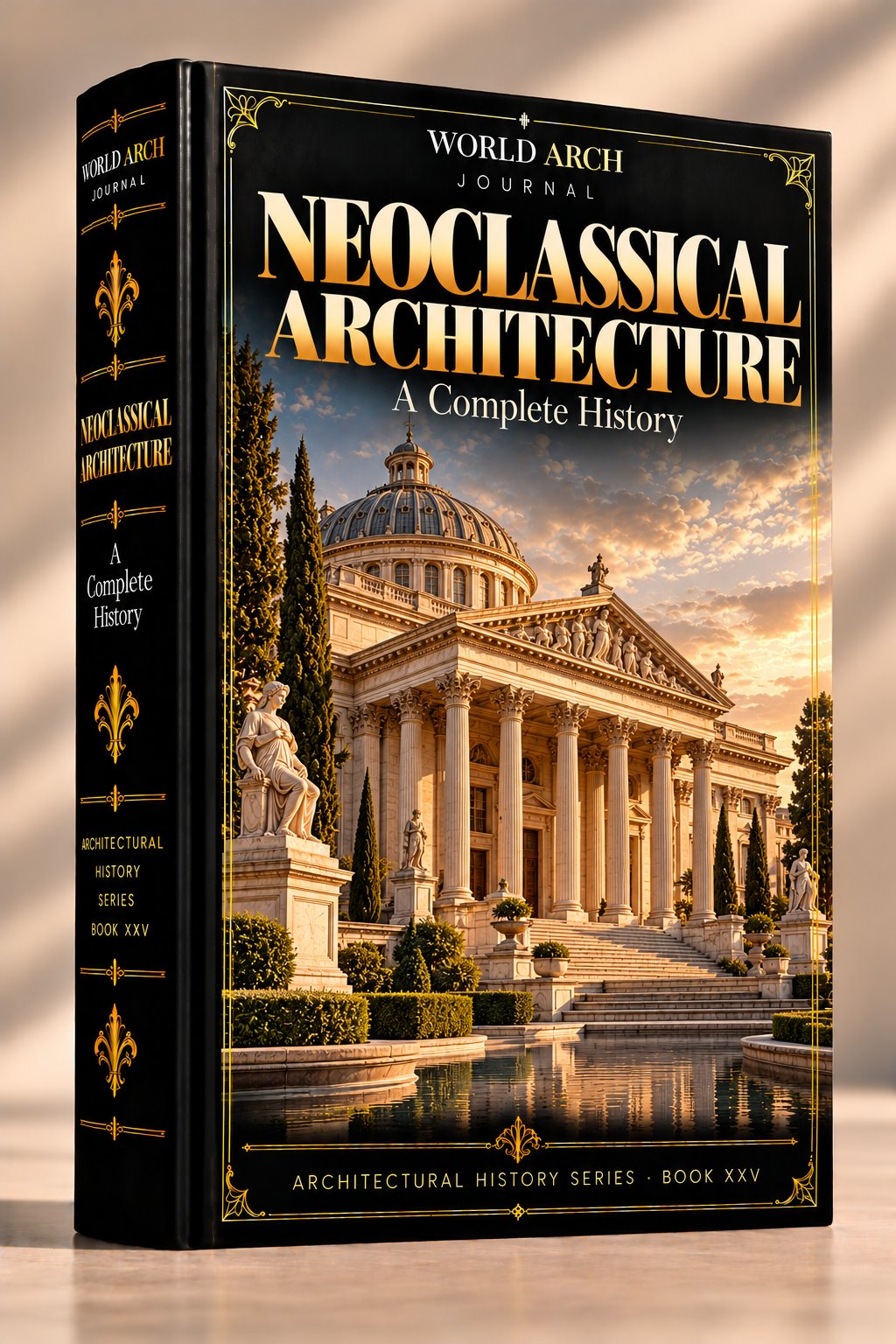
Read Neoclassical Architecture: A Complete History
Neoclassical architecture is the most argued-over style in the history of building, because it is the only one that claimed to be more than a style: a moral argument in stone. In the middle of the eighteenth century, the architects and antiquaries of Europe decided that the Rococo — the curling, gilded, aristocratic interior — was not merely unfashionable but dishonest, and that honesty in building meant a return to the architecture of Greece and Rome, measured, excavated and reasoned about rather than copied from pattern books. What followed was not a single style but a century-long argument conducted in porticoes and domes: in Paris, Soufflot raised a church that became a temple to the nation's great men; in London, Adam invented an interior of painted panels and delicate plasterwork that made antiquity domestic; in Berlin, Schinkel gave Prussia a museum and a theatre in the language of Athens; in Virginia, Jefferson built a house and a university as an argument for republican government itself. This book follows that argument from the excavations of Pompeii to the postmodern revival of the classical orders, through the temple front, the dome, the orders as a system and the five signs by which any Neoclassical building can be read in the street. It is honest about evidence: the Panthéon's structure, the Brandenburg Gate's meaning, Jefferson's debts and the very charge that Neoclassicism is cold and derivative are all debated, and the debates are flagged where they arise, because Neoclassical buildings reward the reader who separates what the stone proves from what the imagination prefers.
Read the complete book free on this page in the interactive page-flip reader (101 pages, no signup). The reader needs JavaScript; the same text is published as the web edition, and the print-quality PDF is available from the book page.