Architect’s Lens
Three precise observations on structure, light and material—only where they improve the visit.

WORLD ARCH ATLAS / UAE / 04
Two cities in one frame: a creek trading town that learned to cool itself, and a vertical metropolis that learned to build higher than anyone else.
Half-day routes and the full-day program, with maps, timing and walking distances.
Go to routes ↓ BOOK A TOUR OR TICKETGuided walks, attraction tickets and creek cruises on GetYourGuide and Viator.
Go to experiences ↓ FIND A BASEStays near the landmarks, design hotels and budget bases on Booking.com.
Go to hotels ↓How booking works: tapping a booking button opens the provider's own page in a new tab, where you see live times, prices and availability and complete the booking there. Nothing is booked on this site. Booking links on this page are plain links to the providers' own pages — the site earns no commission from them yet. If affiliate tracking is added later, those links will be marked as sponsored and the affiliate disclosure will be updated.
TRAVEL ESSENTIALS
THE CITY IN BRIEF
Dubai began as a fishing and pearling settlement on a natural creek inlet, and the creek made it: dhows carried goods between the Gulf, India and East Africa, and the trading town grew on both banks. The old city still shows how that town handled heat — coral stone, gypsum, shaded lanes and barjeel wind towers that caught the breeze and pulled it down into the rooms below, long before air conditioning.
Trade, then oil revenues from the late 1960s, then the federation of the United Arab Emirates in 1971, turned the port into a metropolis. Sheikh Zayed Road became the city's spine, and the tower became its identity — each new building competing to summarise Dubai in a single silhouette, up to the Burj Khalifa, completed in 2010. Read the two layers separately — the creek city, then the vertical city — and Dubai makes sense.
For the movement behind the towers, read Modernism, Book VI of the Architectural History Series, free to read online.
THE ATLAS DIFFERENCE
Three precise observations on structure, light and material—only where they improve the visit.
Four focused hours with a clear sequence, realistic walking logic and an optional booking path.
Editorial facts carry a visible source and review date; live times, prices and availability live on the provider's page, not here.
CURATED ARCHITECTURE
Coral-stone lanes and barjeel wind towers — the Gulf's vernacular answer to heat.
The working waterfront: dhows, trading logic and the waterline that explains the city's position.
Covered commercial fabric across the creek — dense, shaded, sequential retail urbanism.
A buttressed core and Y-shaped plan rising 828 metres in spiralling setbacks drawn from regional geometry.
A 77-metre torus on Sheikh Zayed Road — the facade is Arabic calligraphy, the message literally written on the building.
A 150-metre frame in Zabeel Park staging old and new Dubai as two composed views — one side each.
A 321-metre sail on an artificial island, read best from across the water.
The master-planned vertical neighbourhood — look for the twisted Cayan Tower among the cluster.
VISIT CARDS
Each card gives the location, a suggested visit duration, a map link, and a ticket link where tickets apply. Opening hours and ticket rules change — check the official site or the provider page before you go.

Study the barjeel wind towers — how a pre-electric city caught the breeze — and how coral stone, gypsum and shaded lanes compose the street.

Cross on the wooden boats and read the working waterfront: dhows, trading logic, the waterline that explains the city's position.
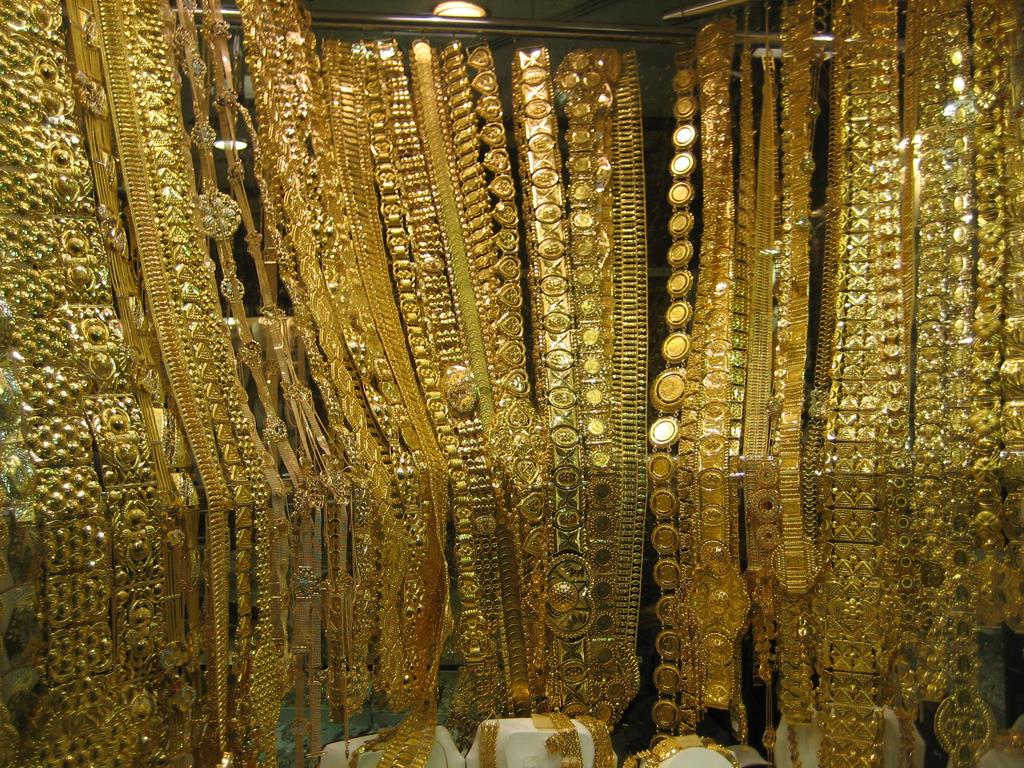
The covered commercial fabric across the creek — spice and gold in dense, shaded, sequential lanes; a study in traditional retail urbanism.
The 828-metre tower: a buttressed core and Y-shaped plan in spiralling setbacks. Book the observation levels ahead.

A 77-metre torus on Sheikh Zayed Road — study the calligraphy facade first, then the exhibition levels.

A 150-metre frame in Zabeel Park that stages old and new Dubai as two composed views — one side each.

The 321-metre sail on its artificial island — read best from across the water, on the second-day coast study.

The master-planned vertical neighbourhood — look for the twisted Cayan Tower among the cluster, from the promenade.
HALF-DAY & FULL-DAY EXPERIENCES
These are the kinds of tours sold on these platforms. Times, prices and availability are shown on the provider's page — nothing here is a live price, a guaranteed departure, or a booking made on this site. Tapping a button opens the provider's Dubai listings in a new tab.
ATLAS ROUTES
Begin in Al Fahidi before the heat builds, cross the Creek by abra, then work through the Deira souks on foot. An unhurried exterior-focused loop; more with museum stops.
Opening hours and ticket availability must be checked live before departure. The souk lanes are shaded but dense — pace accordingly, and keep midday for interiors.
How the programs relate: the two half-day routes stand alone or combine into a full architecture day — take the morning creek route, then the afternoon Downtown route. The hour-by-hour program further down shows one combined day.
Approximate distances — Morning: Al Fahidi lanes → abra station about 400 m on foot; the abra crossing itself is on the water; Deira abra station → Gold Souk about 500 m through the souk lanes. Afternoon: Museum of the Future → Dubai Frame and Dubai Frame → Burj Khalifa are metro legs, not walks — the heat and the highway scale say otherwise. Distances are approximate; use the map links for step-by-step directions.
Next step: open the route in Google Maps, then check tickets for the stops that need them — Burj Khalifa and Museum of the Future on the afternoon route.
Open morning route in Google Maps ↗ Open afternoon route in Google Maps ↗IVAN ATLAS SMART TRIP PLANNER
Version one uses pre-designed routes only — no generated itineraries. Choose below and the matching route appears. Without JavaScript, all three routes are shown; start with Creek in 4 Hours.
Preset: 4 hours in Dubai + architecture.
Start: Al Fahidi Historical NeighbourhoodDuration: about 4 hoursTransport: on foot + abraWalking: about 2 km
Next step: open the route map, then check the afternoon route for the towers.
Open route in Google Maps ↗ See guided options ↗Start: Al Fahidi Historical NeighbourhoodDuration: about 5 hoursTransport: on foot + abraWalking: about 3 km
Next step: open the route map, then check guided old-city walks.
Open route in Google Maps ↗ See guided options ↗Start: Al Fahidi Historical NeighbourhoodDuration: full day, 09:00 to eveningTransport: on foot + abra + Metro Red Line
The full program joins the creek city in the morning with the towers by evening: Al Fahidi Historical Neighbourhood, abra across Dubai Creek, Deira souks, a midday interiors break, Museum of the Future, Dubai Frame, Downtown on foot, Dubai Fountain — with a second day for the Marina and Jumeirah coast.
Next step: read the hour-by-hour program below, then check tickets for Burj Khalifa and Museum of the Future.
See the hour-by-hour program ↓ Open route in Google Maps ↗ Check tickets ↗DAY TOUR · TRAVEL PROGRAMME
The morning belongs to the creek city; the afternoon to the towers. Midday is for interiors — plan it that way and the heat stops being the story. Times are indicative — confirm opening hours and site conditions live before you set out.
Open the full-day route in Google Maps, or preview the city in Street View (panorama availability and camera position are controlled by Google).
Open the creek route in Google Maps ↗ Open the Downtown route in Google Maps ↗ Open 360° view: Burj Khalifa ↗ Open 360° view: Al Fahidi ↗
Booking links on this page are plain links to the providers' own pages — the site earns no commission from them yet. If affiliate tracking is added later, those links will be marked as sponsored and this note and our affiliate disclosure will be updated.
STAY NEAR THE EXPERIENCE
No fixed prices are shown — rooms and rates change daily. Each button opens that hotel's live search on Booking.com, where you see current rooms and prices. Tapping opens the provider's page in a new tab; nothing is booked on this site.
Hotel links above are plain links to Booking.com searches for each named hotel. The site earns no commission from them yet; if affiliate tracking is added later, those links will be marked as sponsored.
EAT, EXPLORE & EXPERIENCE
Chosen for architecture, history, location or cultural experience — not for commission. Restaurant links open Google Maps; no booking commission is involved.
TRAVEL ESSENTIALS
Only services a visitor to this city genuinely needs. All links are plain links until affiliate tracking activates; nothing here earns commission yet.
Private transfers between Dubai International or Al Maktoum International and the city, bookable on tour platforms.
See transfer options ↗Cover for medical care, trip changes and lost luggage while travelling in the UAE.
World Nomads ↗ SafetyWing ↗The nol card covers metro, bus, tram and water bus across the city; buy it at any metro station.
RTA — nol card & metro ↗Go City passes bundle Burj Khalifa, Dubai Frame and more — compare what each pass actually includes before buying.
Go City Dubai passes ↗Explorer-style passes let you pick a set number of attractions over 30 days — check which sights are included before buying.
Go City Explorer passes ↗Local guides for the old city, the creek and the souks, and for full-day city tours.
See guided experiences ↗COMPLETE DUBAI DIRECTORY
Concise by design: one line per entry, location included, no essays. Check opening hours live before you go.
PLAN & BOOK
Every button below opens the provider's own page in a new tab. Nothing is booked on this site, and no link here earns commission yet.
MAP & 360°
Google supplies the live map. World Arch Atlas supplies the architectural edit.
EDITORIAL STANDARD
Architecture selections are editorial. Booking links remain plain links until affiliate tracking and payout are verified.
Last editorial review: 25 October 2026 · Language: English
Sources: Visit Dubai: official visitor information, Burj Khalifa: official site, Museum of the Future: official site, SOM: Burj Khalifa project.
For how facades are designed to handle this city's extreme heat, read our climate-responsive facades guide. Dubai's towers are modernism at full scale. For the movement behind them, read The modern skyline's roots — Modernism, Book VI of the Architectural History Series, free to read online.
← All Atlas guides