Beyond the Render: Awards, Heritage and Climate Readiness
A global prize shortlist, a World Heritage decision and a climate-readiness call point to one question: what lasting value does architecture create beyond its image?
By World Arch Journal · Published · Updated · Download PDF ↓

A shortlist is not a performance certificate. A heritage inscription is not a reason to freeze a building in time. And a climate campaign is not a substitute for measurable design. This week’s briefing connects three primary-source announcements through one practical lens: how do we judge architecture after the first photograph?
01 / RIBA’s global shortlist crosses climate and reuse
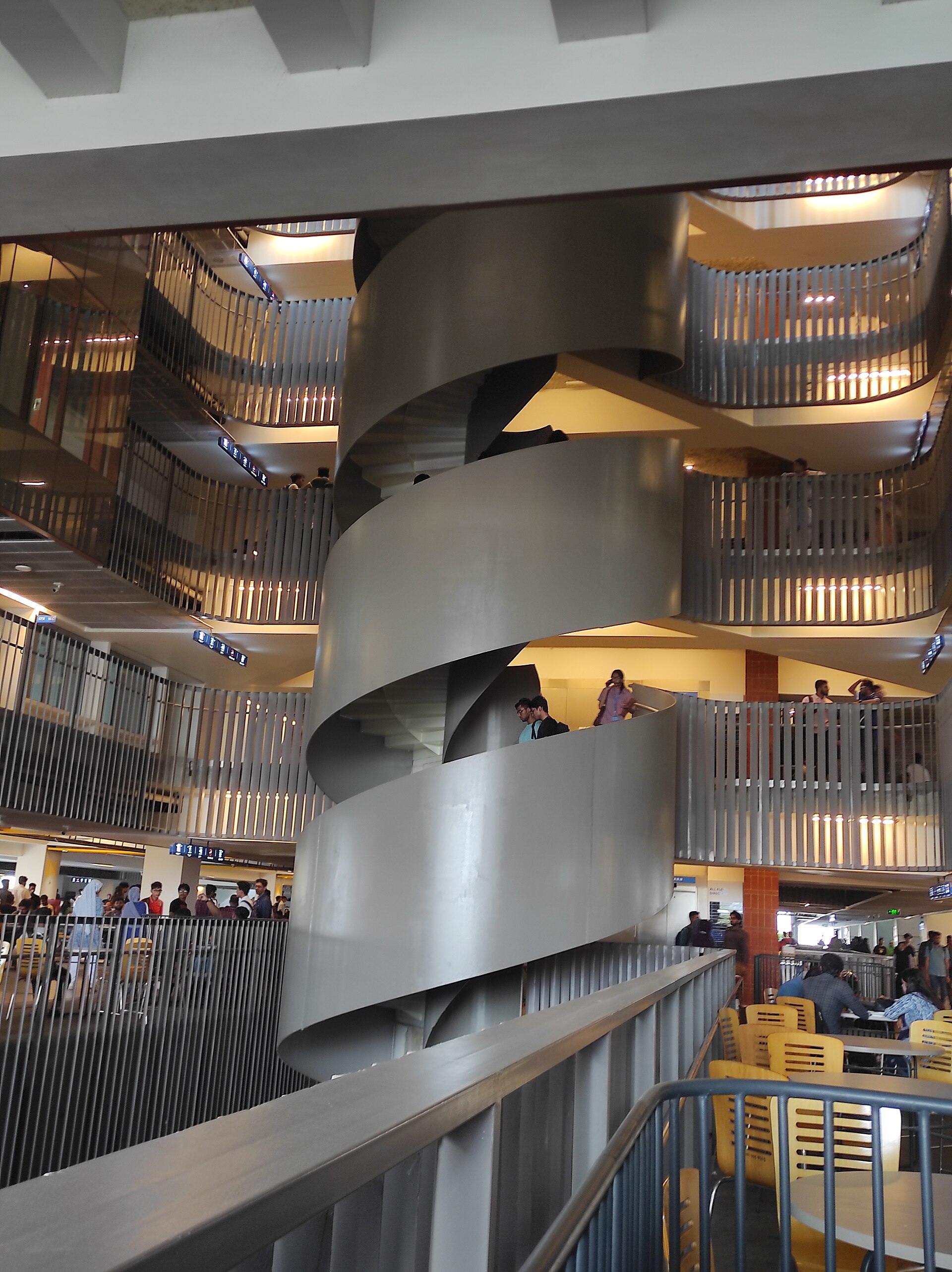

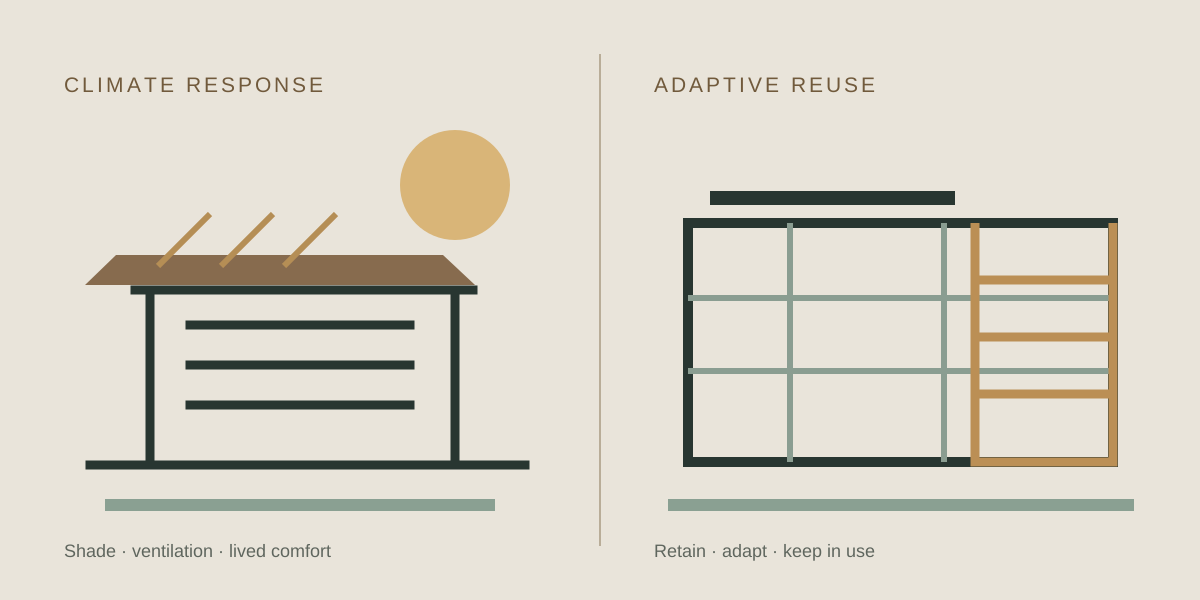
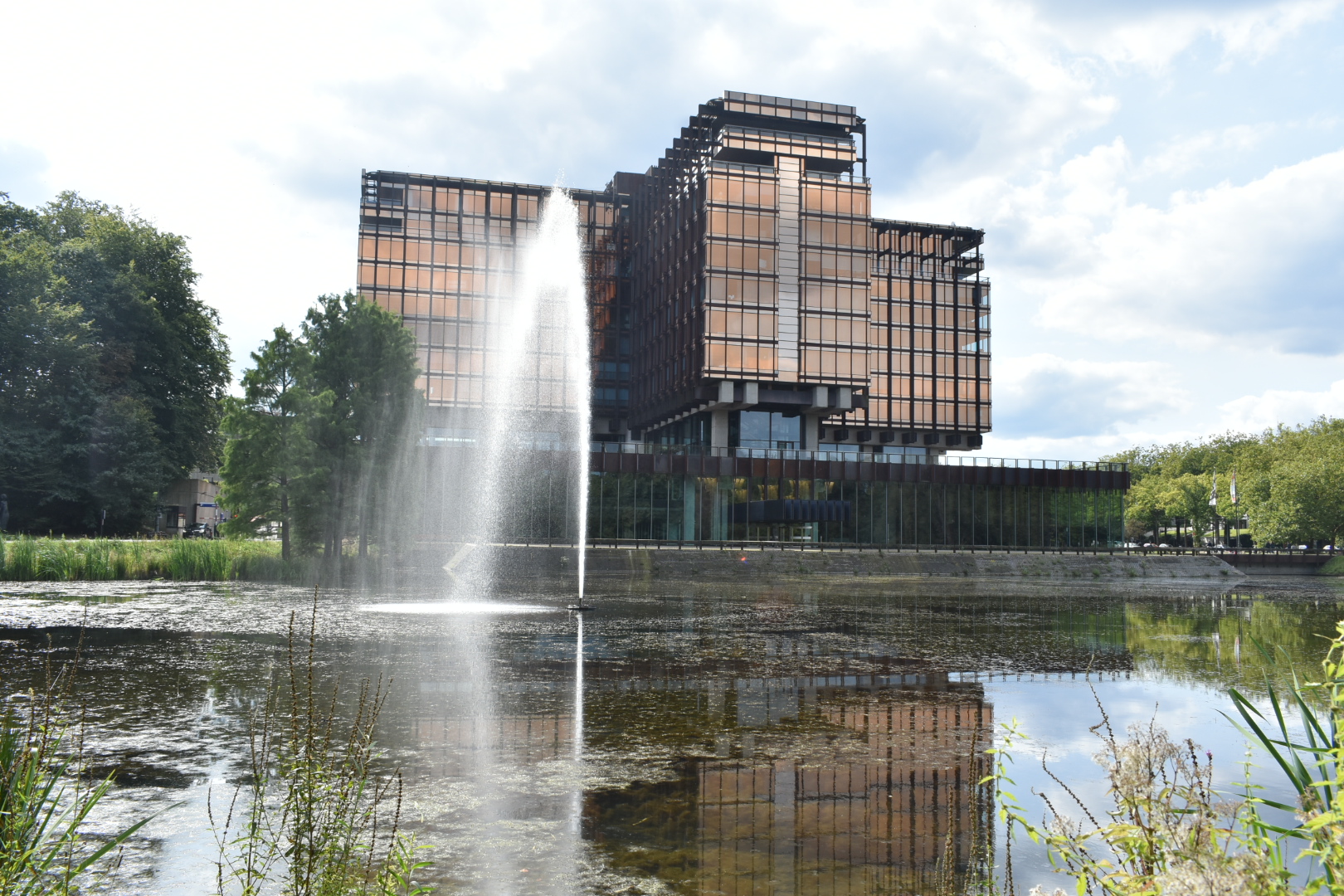
RIBA has named four projects from Bangladesh and Belgium on its 2026 International Prize shortlist. BRAC University in Dhaka and Green Field Factory in Rangpur bring passive cooling and landscape into dense education and industrial programmes. In Belgium, the transformation of the 1960s Royale Belge office complex and the Z33 museum project put adaptation and cultural use in the foreground. The winner is scheduled to be announced on 15 October 2026.
02 / UNESCO recognises Aalto’s collective work
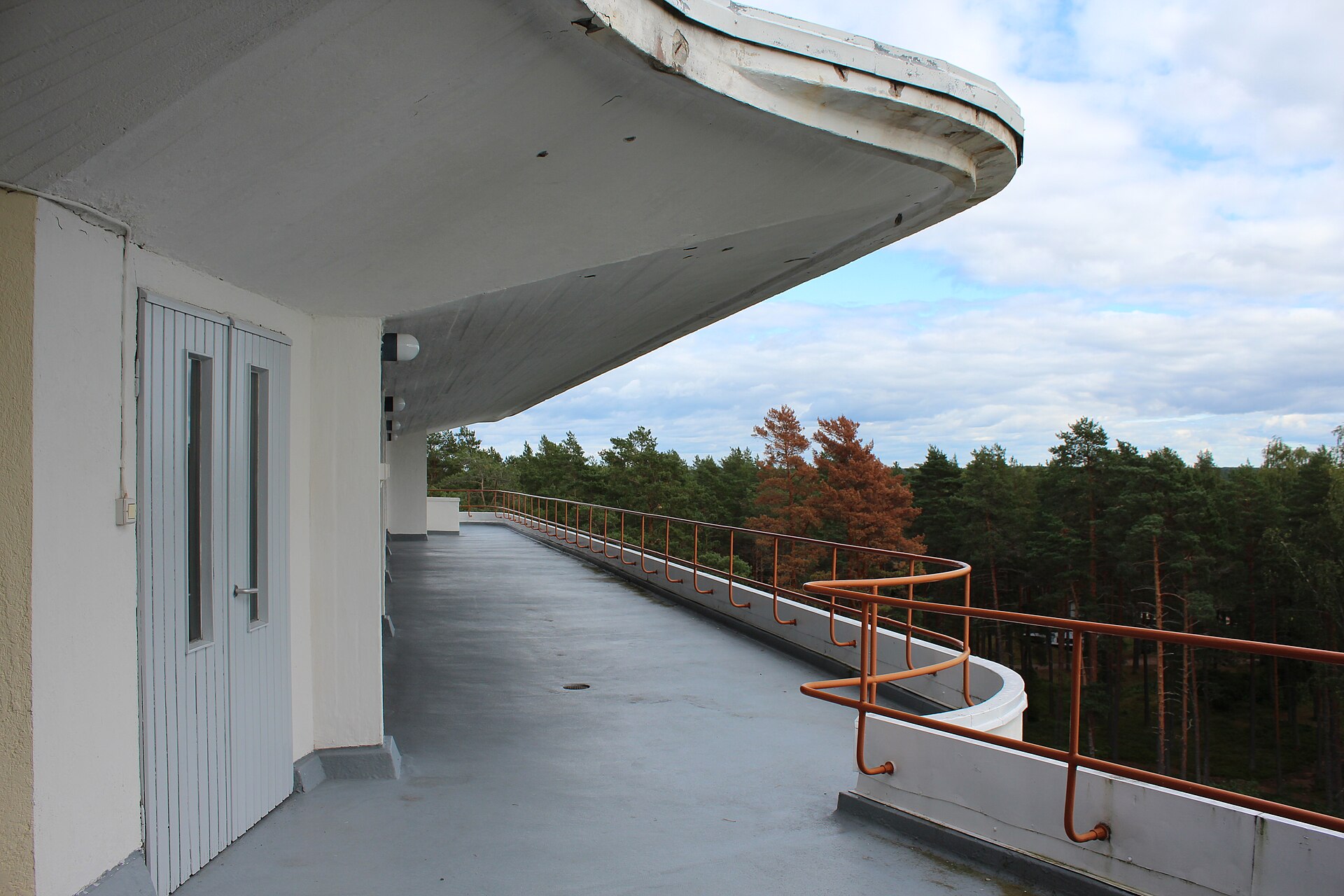

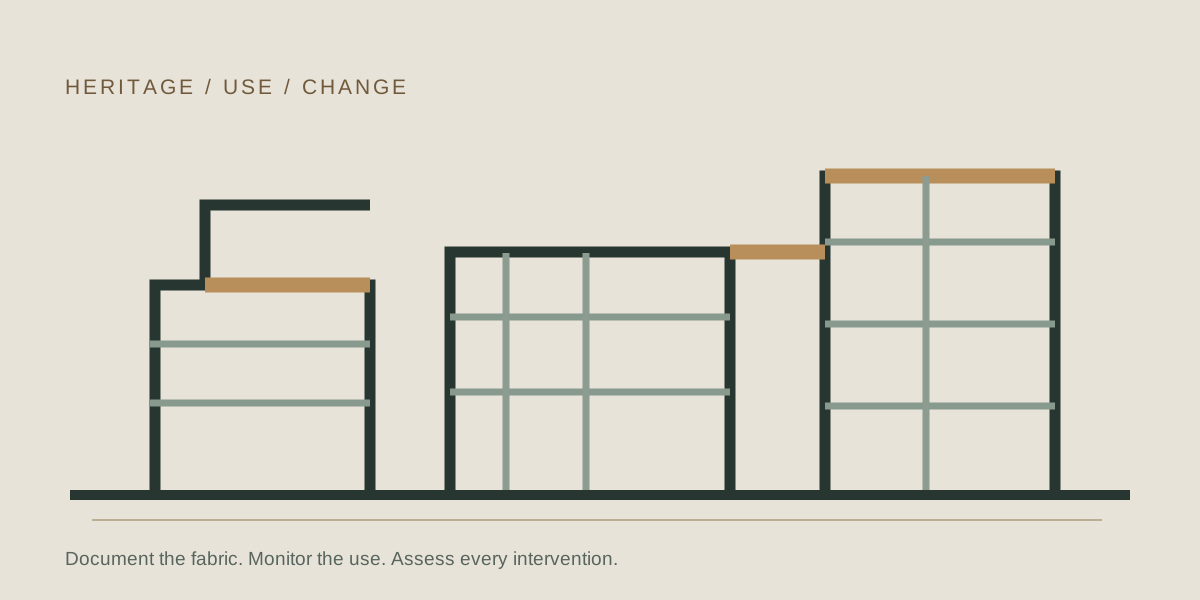
The World Heritage Committee inscribed the Aalto Works in Finland in 2026. Its decision describes 13 modern buildings and ensembles made between 1928 and 1988, and explicitly recognises the collaboration of Alvar Aalto, Aino Marsio-Aalto, Elissa Aalto and the wider studio. That wording matters: heritage is not only a famous signature or an isolated facade.
Read source: UNESCO World Heritage Committee — Decision 48 COM 8B.25
03 / WorldGBC reframes “green” as readiness
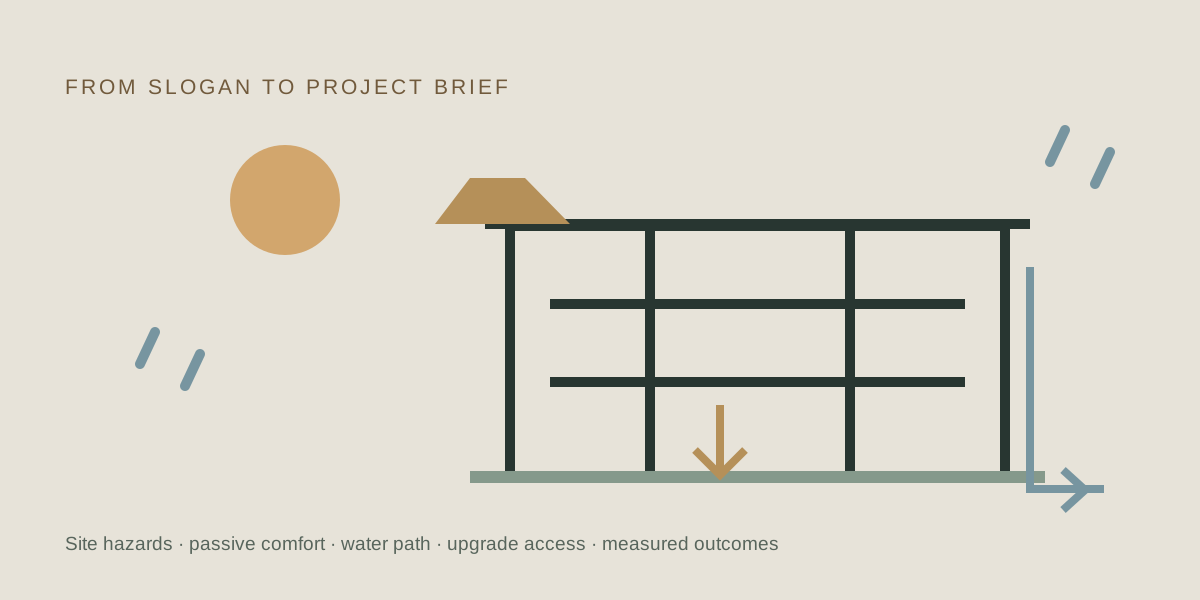
In a September 2026 position piece, World Green Building Council argues that buildings should be ready for a changing climate, a more electrified energy system and new social and economic conditions. It groups that ambition under resilience, efficiency and opportunity. This is advocacy from an industry organisation, not a new building code or a universal certification.
Read source: World Green Building Council — Are our buildings ready?
The editor’s five-question test
Before sharing any new project or award story, ask: What is the source and what date does it refer to? Is this built, proposed or only shortlisted? What was reused rather than replaced? Which claims are measured, and which are design intentions? Who will operate, maintain and inhabit the place after publication?
These questions are not a scoring formula. They are a way to move from a dramatic image to a useful architectural conversation. World Arch Journal will link to the primary announcement, state what is known, and separate our interpretation from the source’s claims.
Further reading
- Explore the original World Arch Journal architecture magazine
- Read our analysis of passive design and cooling
- Latest dated briefing: 21 October — Openings, Heritage and Who Decides
- Read our guide to adaptive reuse architecture
- The briefing that followed: 1 October — Who Gets Space, and Who Gets to Use It?
Source notes
Official announcements, source reporting and World Arch Journal commentary are distinguished. No sponsored placement is included in this edition.
Found an error or rights concern? Contact the publisher.
📌 Never miss a story — add World Arch Journal as your preferred source on Google: https://www.google.com/preferences/source?q=worldarchjournal.com