MVHR Explained: Mechanical Ventilation with Heat Recovery for Healthy, Efficient Homes
How MVHR works, when it earns its cost, and the design details that decide whether yours is silent and effective or noisy and disappointing.
By World Arch Journal ·
Project file
- FORMAT: International architecture decision guide
- AUTHOR: World Arch Journal
- PUBLISHED: 26 October 2026
- ILLUSTRATIONS: 10 licensed photographs, each credited under its image
- SCOPE: Editorial guidance · project-specific assessment required
MVHR is the answer to a problem most homes only discover after they have been sealed up: once you stop the draughts, where does the fresh air come from? Mechanical Ventilation with Heat Recovery is a whole-house system that continuously extracts stale, humid air from kitchens and bathrooms, passes it through a heat exchanger, and uses the recovered warmth to temper fresh, filtered air supplied to bedrooms and living rooms. Standard in Passivhaus homes, increasingly common in new builds, and now a serious option in deep renovations. It is also widely misunderstood — sold as a heater, confused with air conditioning, and fitted badly in homes never made airtight enough for it. This guide explains what MVHR does, what it does not do, when it earns its cost, and the design and maintenance details that decide whether yours is silent and effective or noisy and disappointing.
What is MVHR, and how does it actually work?
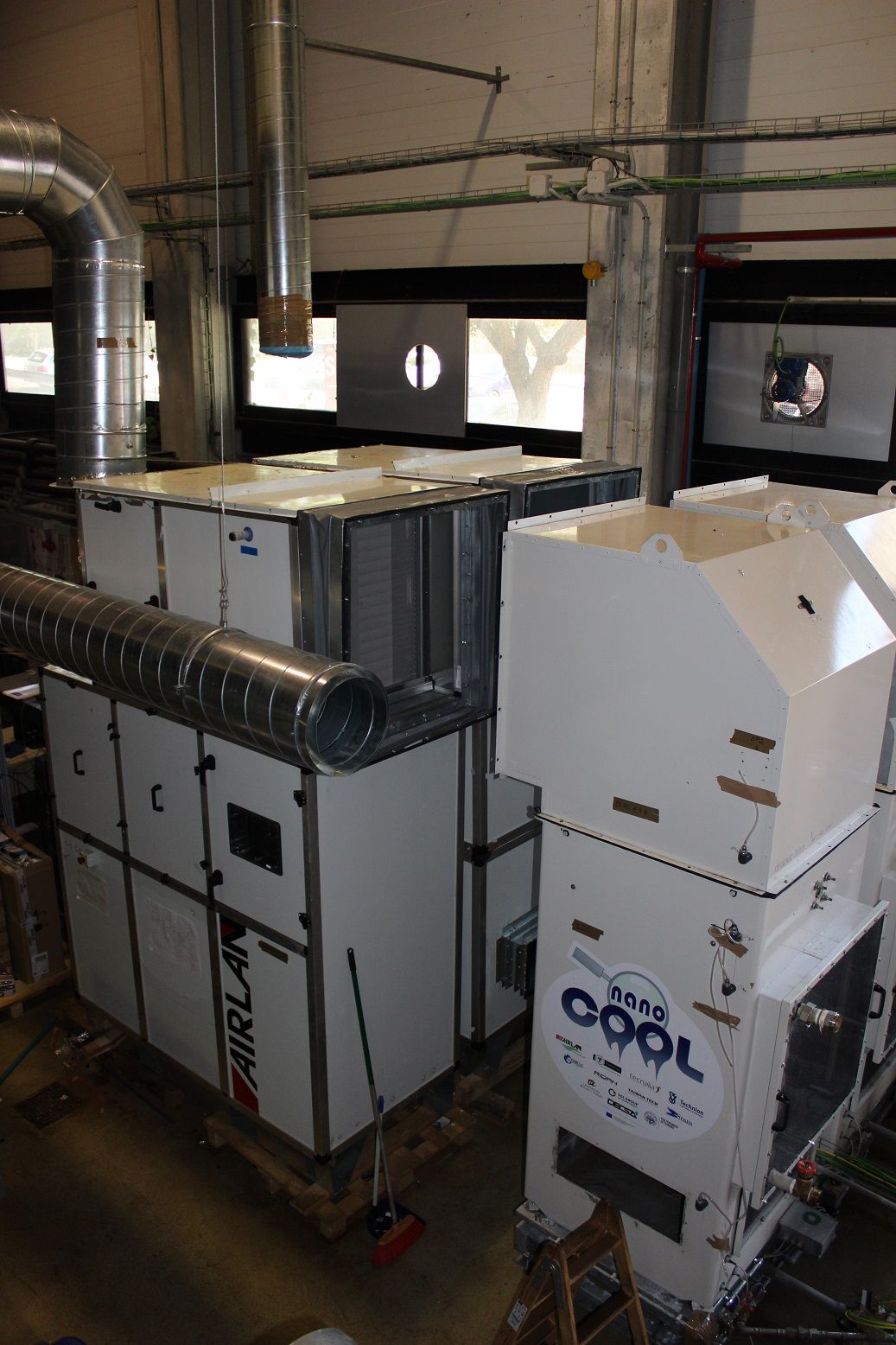
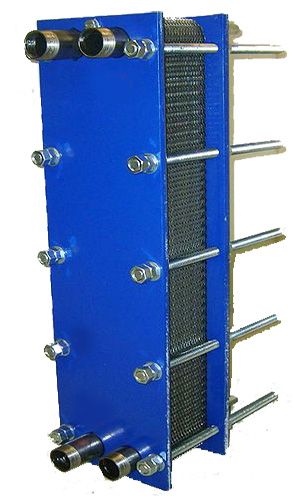
MVHR — Mechanical Ventilation with Heat Recovery, also called HRV — is a balanced ventilation system. Two fans run continuously at a low rate: one extracts air from wet rooms (kitchen, bathrooms, utility), one supplies air to habitable rooms (living rooms, bedrooms). Both streams pass through a heat exchanger in a central unit — usually in a loft, cupboard or utility room — where heat from the outgoing stream warms the incoming stream without the airflows mixing. Ducts run throughout the house: supply valves in living spaces, extract valves in wet rooms, gaps under internal doors letting air move from supply to extract rooms. It runs all day at a low background rate, with a boost setting for cooking, showering or extra occupants.
The key word is balanced. Unlike an extractor fan, which pulls air out and lets replacement air find its own way in through gaps and trickle vents, MVHR supplies exactly as much air as it extracts. That balance makes heat recovery possible and keeps the system from depressurising the house — a real concern with powerful cooker hoods and open-flued appliances in airtight homes. Incoming air is also filtered: pollen, dust and traffic pollution are caught before reaching a bedroom, which is why MVHR is often specified for homes on busy roads and occupants with asthma or allergies. The unit uses little power: one compact design draws around 22 watts, comparable to a low-energy light bulb, at roughly 10p per day (Self-Build / Build It, 2026).

How is MVHR different from extractor fans, MEV and PIV?
England's Approved Document F recognises four ventilation approaches, MVHR being the most complete: intermittent extract fans, passive stack ventilation, continuous mechanical extract (MEV), and continuous MVHR (Part F summary, via Manuals.plus, 2026). Intermittent extract fans remove moisture at the source but only when switched on, waste all the heat they extract, and depend on uncontrolled replacement air. MEV is a step up — continuously running extract, ducted from wet rooms — but it still throws the heat away and relies on trickle vents admitting cold, unfiltered air.
MVHR differs on three counts: it supplies as well as extracts, it recovers heat, and it filters incoming air. Against extractor fans the comparison is stark: whole-house coverage rather than selected rooms, heat recovered rather than lost, air filtered rather than admitted raw, and automatic running rather than depending on someone switching a fan on (ClimateWorks, 2026). Positive input ventilation (PIV) — a loft unit pushing filtered air into a hallway and relying on leakage to let stale air out — is a cheaper retrofit option for damp, but it is not balanced, recovers no heat, and only works in homes leaky enough to let air escape. The honest summary: MVHR is the only domestic system that ventilates, filters and recovers heat at the same time — and the only one that needs an airtight house to earn its keep.
How much heat does MVHR really recover?
The headline figure for MVHR is heat recovery efficiency, and it needs careful reading. Heat recovery systems typically recover about 60% to 95% of the heat in the exhaust air (Wikipedia, Heat recovery ventilation, 2026). Individual manufacturers quote up to 90% for their units (Zero Chippenham, 2024), and some claim up to 95% (Green Building Store, 2026). These are laboratory figures at a stated airflow and temperature difference, describing the heat exchanger, not the house. What matters in a real home is effective recovery: how much ventilation heat loss is actually kept, after duct losses, frost protection, bypass operation and fan electricity.
A simple example shows why the number matters less than the design. On a winter day at 20°C inside and 0°C outside, a heat exchanger recovering 85% of exhaust heat delivers incoming air at roughly 17°C instead of 0°C — a large saving on the ventilation portion of heating load. But ventilation is only one part of total heat loss, alongside walls, roof, floor and windows. Claims that MVHR halves heating bills only hold where ventilation was a large share of losses and the system is well designed and commissioned. Treat any payback claim quoting only exchanger efficiency, without airtightness, duct design and running costs, as marketing rather than engineering. Our guide to passive house versus net zero puts ventilation heat loss in the whole-house picture.
Why does MVHR only work properly in an airtight home?
MVHR and airtightness are a package deal — the single most important fact in this guide. In a leaky house, most air enters and leaves through cracks and unsealed junctions, bypassing the MVHR system entirely: the unit still runs and filters its own supply air, but real ventilation is uncontrolled, recovered heat is a small fraction of total air movement, and humidity and pollutants are not controlled. In an airtight house, almost all air movement goes through the unit, so heat recovery, filtration and humidity control actually govern indoor conditions. That is why Passivhaus certification requires 0.6 air changes per hour at 50 pascals or better (Passivhaus blower-door protocol, via 475 Supply, 2026).
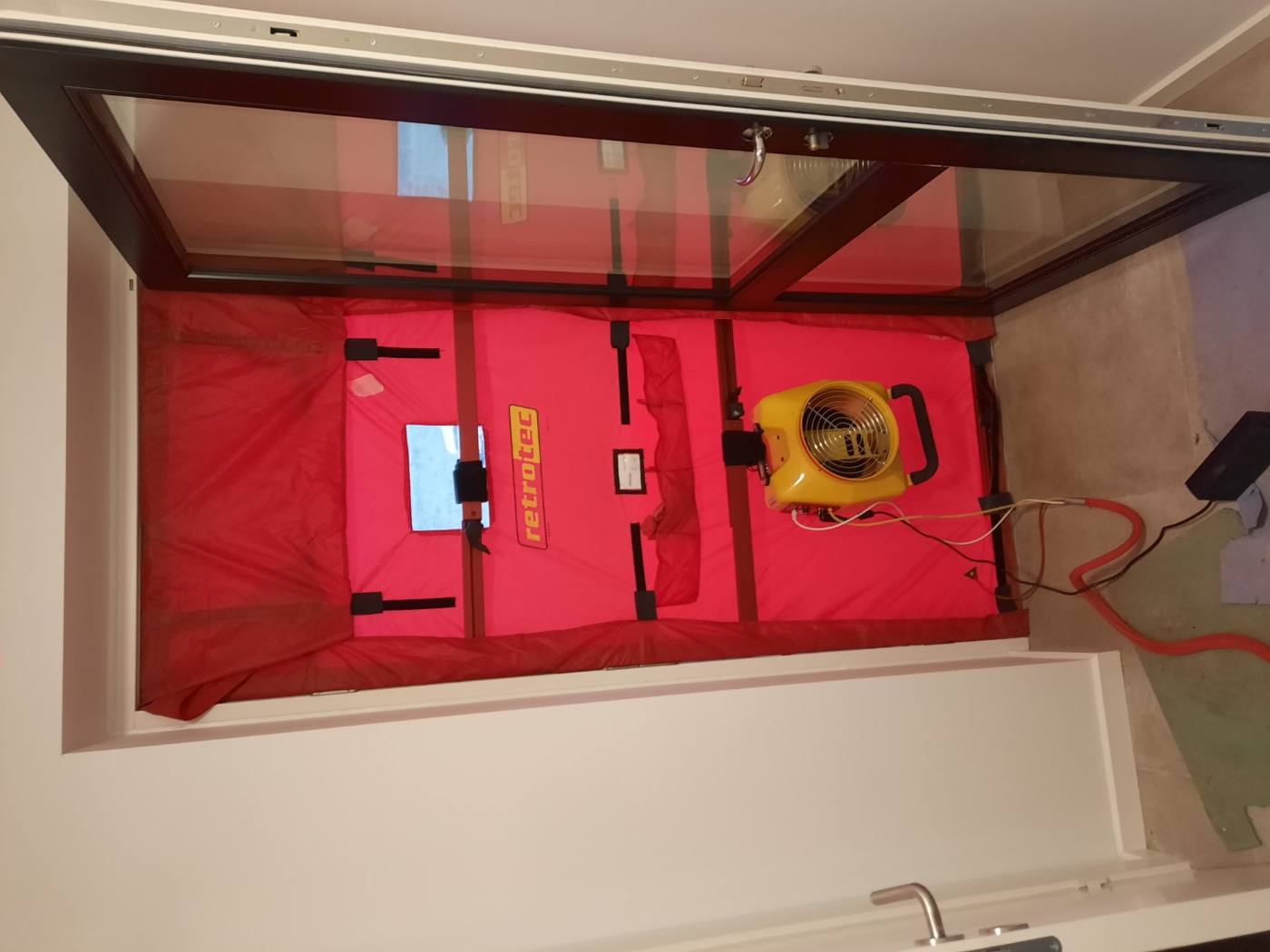
How airtight is airtight enough? MVHR still helps at moderate airtightness — one specialist notes it is a great solution in new homes even above 5 m³/h/m² at 50 Pa, because it still manages humidity and reduces mould, dust mite and pollutant loads (Self-Build / Build It, 2026). But the heat-recovery benefit grows as the house tightens, and the case for spending thousands weakens sharply in a draughty home where air changes are dominated by leakage. Before specifying MVHR, get a blower-door test: it measures air leakage at 50 pascals and tells you whether the building is ready for a balanced system or whether sealing work — taping, membranes, grommets and window/door adjustments — must come first. The result is also the baseline for commissioning: the system should be balanced against the house as it actually is, not as the drawings assumed.
Should you fit MVHR in a new build, a renovation, or an older home?
MVHR is easiest, cheapest and most effective when designed in from the start. In a new build or full renovation with open floors and ceilings, duct runs can be short, straight and accessible, the unit can sit inside the heated envelope, and airtightness detailing can be built into the construction sequence. That is why self-builders and Passivhaus projects adopt MVHR almost by default, and why the best time to install it is during a major refurbishment when the building is already opened up (Studio CMA, 2026). Deciding late — after ceilings are closed and joists fixed — is the expensive way to do it.
Retrofitting MVHR into an occupied, unrenovated home is harder and sometimes the wrong choice: ductwork must be threaded through existing voids, wardrobes, stairwells and lofts, meaning longer runs, more bends, more noise risk and more disruption. A documented Victorian terrace retrofit in West London succeeded by routing semi-rigid ducting through wardrobe voids and stairwells to a compact loft unit, after insulation and double glazing had left the home stuffy with morning condensation; the result was fresh air throughout, no more condensation, and less heating use (ClimateWorks, 2026). But that project combined MVHR with insulation, glazing and sealing as one package. Fitting MVHR alone into a leaky, uninsulated house is the classic retrofit mistake: the unit runs, the house still leaks, and the owner concludes MVHR does not work. If your home is listed, check consent for ducts, vents and unit locations first — see our guide to renovating a listed building.
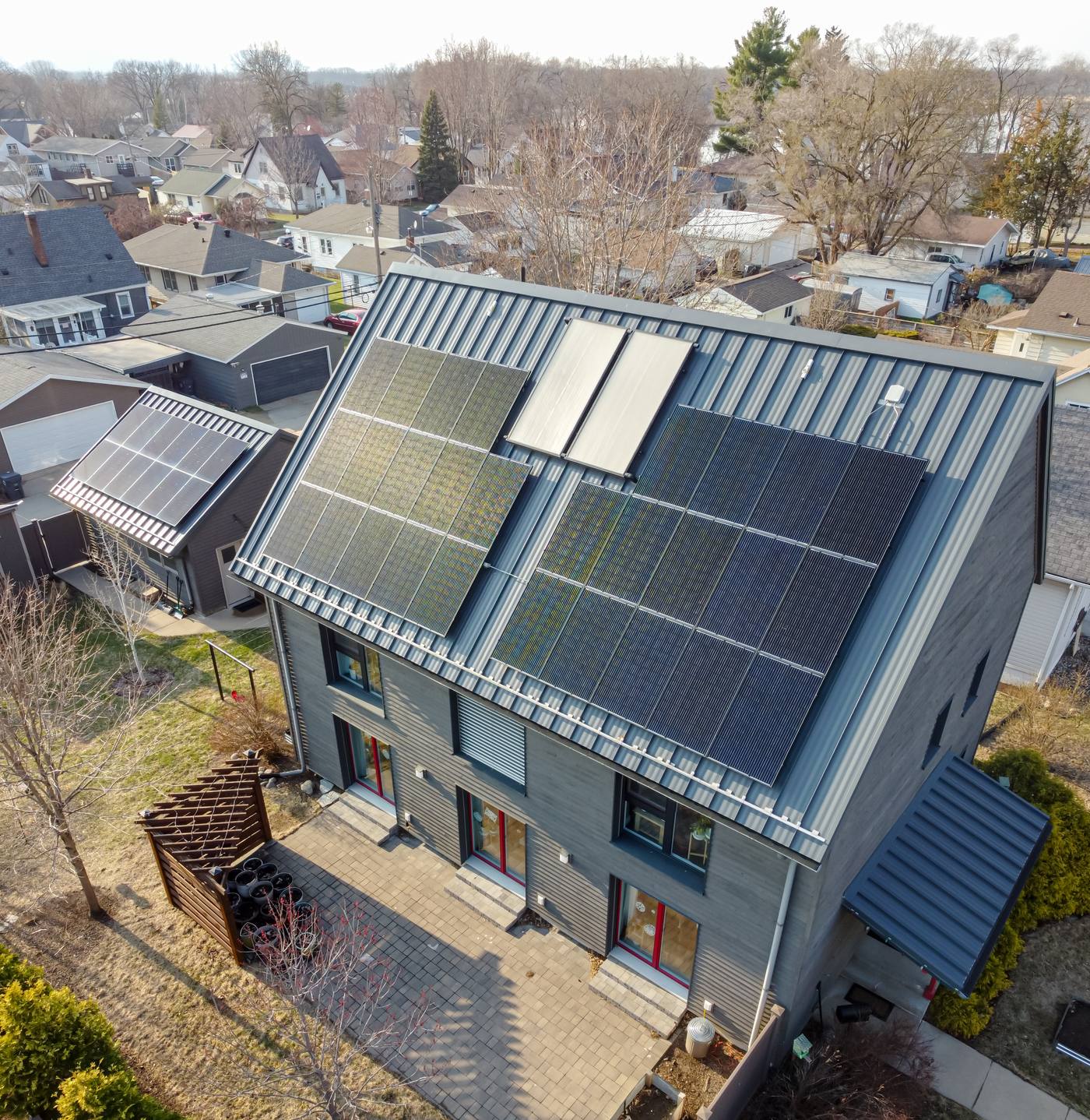
Central MVHR or single-room units: which suits your home?
There are two architectures for domestic MVHR, and the choice depends on how much disruption you can accept. Central MVHR uses one unit and a duct network serving the whole house: the most efficient, quietest and most controllable option, but it needs space for the unit and duct routes. It suits new builds, full renovations and larger homes where ducts can be planned in. Single-room or decentralised MVHR uses small through-wall units, one per room or per pair of rooms, each with its own miniature heat exchanger and fan, often working in pairs that alternate supply and extract to balance the house. There is no duct network; installation is a core-drilled hole per unit, and the system can be fitted room by room.
Decentralised units are the pragmatic retrofit answer: a long-term monitoring account concluded they were not a poor substitute for central MVHR but a quicker, cheaper, less disruptive whole-house solution, with air quality that surpassed expectations (Neighbourhood Construction, 2022). Trade-offs are real: each unit needs its own filter changes, fan noise is in the room rather than remote, efficiencies are typically lower than a good central unit, and balancing is less precise. Rule of thumb: central MVHR for new builds and full renovations, decentralised units for occupied retrofits where ducting is impractical — and be wary of any supplier claiming one through-wall unit ventilates a whole house, because it does not.
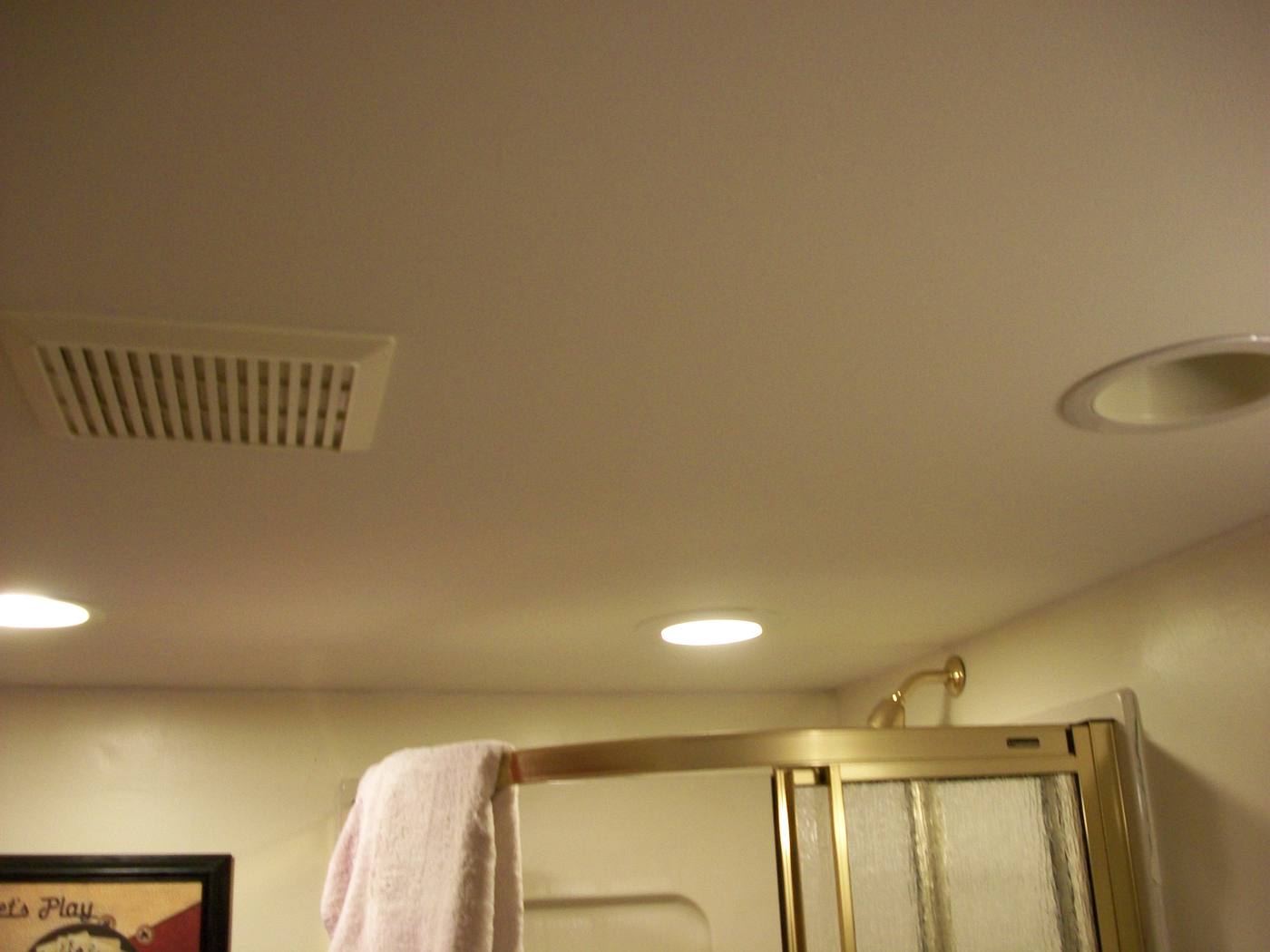
What does good ductwork design look like?
MVHR performance is decided on the drawing board, not after installation — a point installers repeat because so many failures trace back to ductwork. Classic mistakes are incorrect duct sizing, long convoluted runs, poor balancing, and ignoring airtightness (Ermen Systems, 2026). Good ductwork follows a few rules. Runs should be as short and straight as possible, with gentle bends rather than sharp elbows, because every bend adds resistance the fans must overcome with more power and noise. Ducts should be sized for design airflow at low velocity, keeping noise down and avoiding the whistling that plagues undersized systems. Supply and extract routes must not cross or short-circuit: supply air goes to living rooms and bedrooms, extract air comes from kitchens and bathrooms, and air travels from the first to the second through the house, not directly from a supply valve to a nearby extract valve.
Details matter as much as routes. Ducts outside the heated envelope — a cold loft, for example — must be insulated, or warm extract air will condense inside them. The unit should sit inside the heated envelope where possible, or in a well-insulated enclosure. Valves must be accessible for adjustment and cleaning, with silencers on both sides of the unit. A powerful cooker hood must be factored into the balance: it can depressurise an airtight house, so recirculating hoods or interlocked make-up air are often specified. If your installer cannot show a duct layout with airflows per room, find another installer.
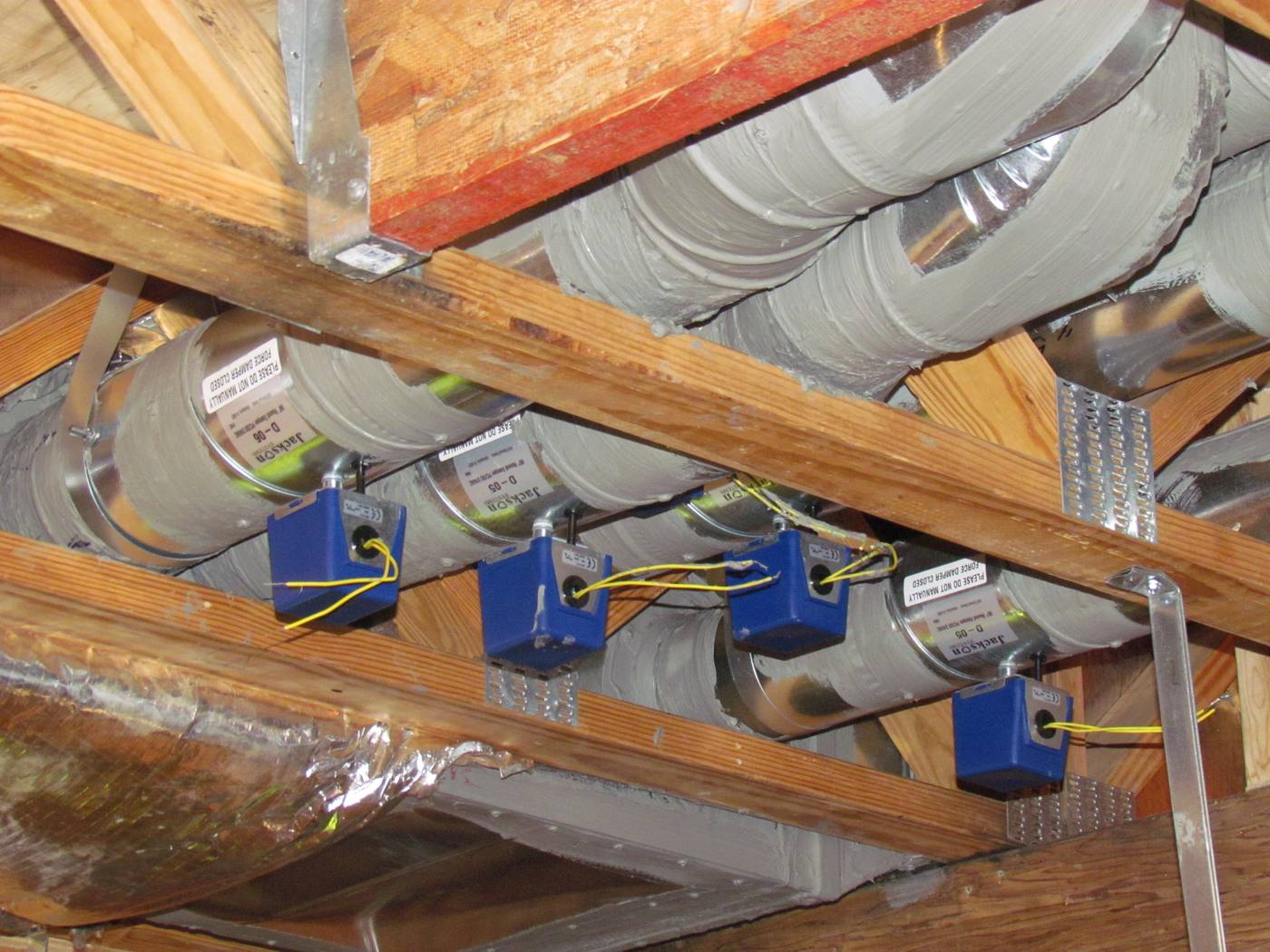
How noisy is MVHR, and what maintenance does it need?
Done well, MVHR is nearly silent; done badly, it hums, whistles or drones, and the owner switches it off — defeating the investment. Noise comes from fan noise through ducts, air noise at valves from excessive velocity, and vibration through the structure. Remedies are design-stage: a correctly sized unit at low speed, silencers on both sides, low-velocity ductwork, and flexible mountings isolating the unit from joists and walls. Installers design systems to run almost silently; blocking a vent unbalances the system and can worsen noise (Green Building Store, 2026). A noisy system usually signals a design or commissioning fault — wrong fan speed, missing silencer, crushed duct — not an inherent property of MVHR.
Maintenance is light but non-negotiable. Filters are the main task: most manufacturers recommend replacing them every 6 to 12 months, and blocked or saturated filters reduce airflow, drop heat recovery efficiency and strain the motors (eFans, 2026). Check filters every six months, change them at least annually — more often on busy roads or in pollen season. Wipe valves clean when filters are changed, inspect ductwork occasionally, clean the heat exchanger core per the manufacturer's instructions, and keep the condensate drain clear. None of this is onerous, but all of it is the owner's job: a never-maintained MVHR system slowly becomes an expensive fan that ventilates badly. Budget for filters and servicing, not just electricity.
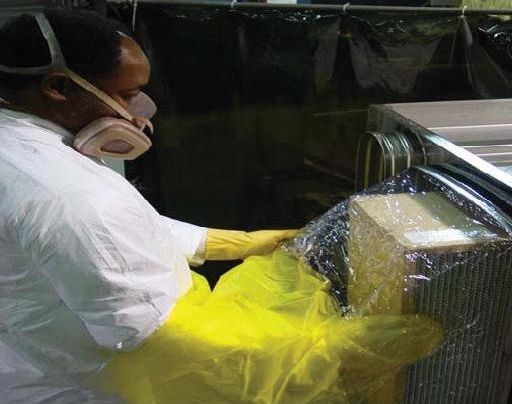
Does MVHR cool your home in summer?
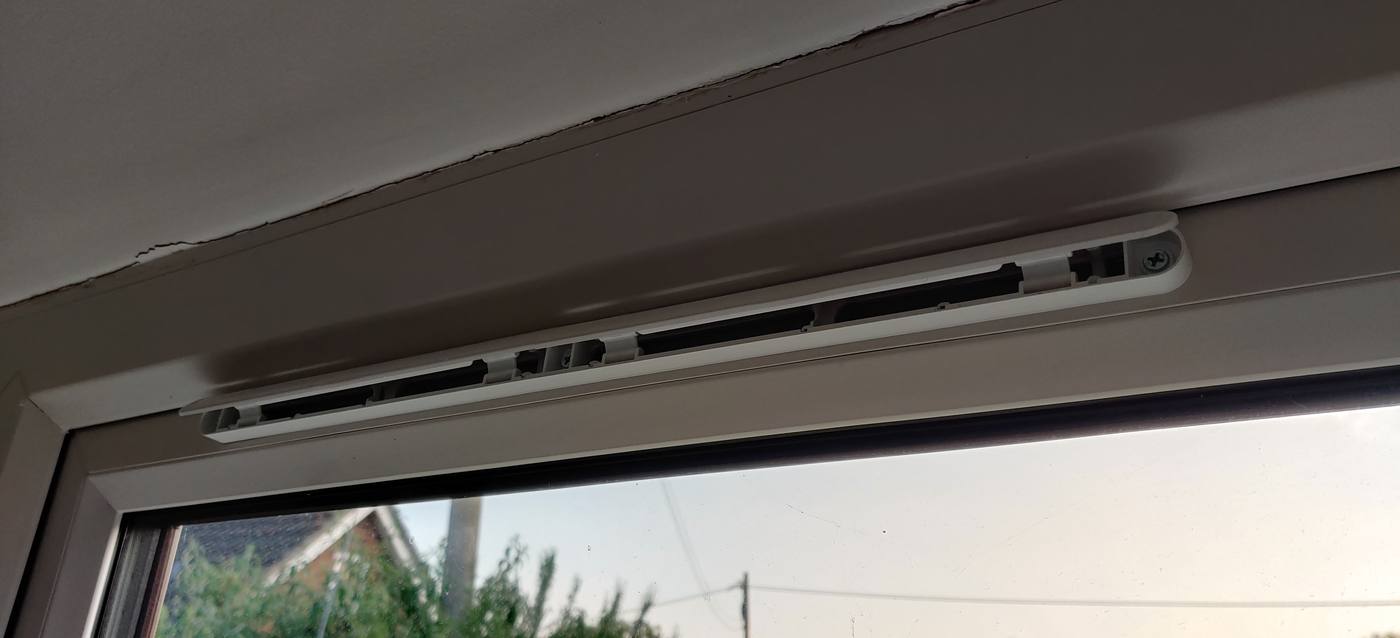
One common misunderstanding is that MVHR cools the house. It does not: MVHR is a ventilation system, not a cooling system — a distinction self-builders stress when builders suggest air conditioning as a substitute, because air conditioning heats and cools but does not ventilate, while MVHR ventilates but does not cool (BuildHub forum, April 2026). What MVHR offers in summer is a bypass mode: when the house is warmer than desired and outside air is cooler, the bypass damper routes incoming air around the heat exchanger so it is not warmed by the outgoing stream. With night-time ventilation — cool night air purging the day's heat — bypass can noticeably improve summer comfort, especially in a well-insulated, airtight home.
But bypass is not air conditioning, and it cannot cool a house gaining more heat than ventilation can remove. A south- or west-facing room with large unshaded glazing will overheat regardless of MVHR, because background ventilation of 0.3 to 0.5 air changes per hour cannot remove solar gains arriving at hundreds of watts per square metre. Summer comfort is a package: external shading, glazing specification, thermal mass and night ventilation, with MVHR bypass as one component. If overheating is your main problem, shading and glazing come first; if stale air, humidity and winter heat loss are your problems, MVHR comes first. Our guide to climate-responsive facades covers shading and glazing.
What does MVHR cost, and does it pay back?
MVHR costs are hard to quote generically: they depend on house size, duct complexity and whether the building is open or occupied. For scale, a self-builder in 2026 reported supply and install at around £7,000 for a central system in a new masonry house, with duct routes and design already prepared (BuildHub forum, April 2026). Decentralised units cost far less per room but multiply with room count, and a central retrofit with difficult duct routes can exceed the new-build figure.
Payback is where honesty matters most. MVHR rarely pays for itself on energy savings alone, and anyone promising a short payback is selling, not advising. The saving depends on airtightness, heating system, fuel prices and how the system is run; in a moderately airtight home it may be modest, and the value lies as much in health, comfort and fabric protection — less condensation and mould risk, filtered air, even temperatures — as in kilowatt-hours. One self-builder concluded MVHR's heat recovery alone would not wash its face on capital and running costs; its value was as a comfort and air-quality system (BuildHub forum, April 2026). Judge MVHR on that basis: if you value fresh, filtered, even-temperatured air and a home that does not grow mould, and your house is airtight enough, it is worth it. If you only want lower bills, insulation and draught-proofing come first — see our guide to damp, condensation and mould.
What do Building Regulations require, and why does commissioning matter?
In England, ventilation for new homes and renovations that change the fabric is governed by Approved Document F, which sets whole-dwelling rates, wet-room extract rates, and commissioning and documentation requirements. The wet-room reference rates are specific: intermittent extract of 15 litres per second for a bathroom and 30 litres per second for a kitchen (Approved Document F, via 2026-10-25 research); continuous systems have lower background rates with boost capacity. When major fabric changes are made — window replacement, insulation, room additions — Part F applies, and MVHR, as a continuous supply-and-extract system, meets it directly with measurable, consistent airflow (ClimateWorks, 2026). Listed-building constraints sit on top of Part F, not instead of it.
Commissioning separates a working system from an expensive ornament. After installation, each valve must be measured and adjusted to its design airflow, total supply and extract balanced, fan speeds set, and results documented for building control sign-off. An uncommissioned system may look complete while delivering half the design airflow to bedrooms and double to a bathroom, with noise and poor air quality as symptoms. Ask for the commissioning report before final payment and keep it with the house's documents — it is the baseline for future fault-finding, and the next owner will need it. A system without one should be treated as unfinished, however tidy the ductwork looks.
The MVHR decision checklist: is it right for your home?
Work through this checklist before committing to MVHR:
- Is the house airtight, or will it be? — get a blower-door test; below roughly 5 m³/h/m² at 50 Pa the case strengthens (Passivhaus: 0.6 air changes per hour).
- Is the building open or occupied? — new build/full renovation favours central MVHR; occupied retrofit favours decentralised units.
- Do you have a duct layout with airflows per room? — no drawing, no contract.
- Is the unit inside the heated envelope? — if not, are ducts, unit and condensate drain insulated/protected?
- Are silencers specified? — on both supply and extract sides, near the unit.
- How will the cooker hood interact? — recirculating or interlocked make-up air, not an unbalanced extract.
- Who maintains it? — filter changes every 6 to 12 months, valve cleaning, condensate drain checks.
- Is commissioning included and documented? — measured airflows per valve, balanced totals, report before final payment.
- Do you need consent? — listed buildings and conservation areas need permission for ducts, vents and unit locations.
- Are you buying comfort and health, not just payback? — MVHR earns its cost on air quality, condensation control and even temperatures; energy savings alone rarely repay it.
MVHR is not magic, and it is not a substitute for insulation, shading or airtightness. It is the system that makes an airtight, well-insulated home work as intended: fresh air in every room, stale air and moisture out, most of the heat kept, all running quietly in the background. Specified for the right house, designed on paper first, commissioned properly and maintained lightly, it is a service occupants notice mainly by its absence — switch it off, and the house feels stuffy within hours. For the natural-ventilation alternative, our guide to cross-ventilation explains what opening windows can and cannot achieve.
Frequently asked questions
What is MVHR?
MVHR — Mechanical Ventilation with Heat Recovery — is a balanced whole-house ventilation system. Two fans run continuously: one extracts stale, humid air from kitchens and bathrooms, and one supplies fresh, filtered air to bedrooms and living rooms, with a heat exchanger warming the incoming stream from the outgoing stream without the two airflows mixing.
Does MVHR only work in an airtight home?
MVHR works best in an airtight home, because in a leaky house most air bypasses the system through cracks and gaps. It still helps at moderate airtightness for humidity and air quality, but the heat-recovery benefit grows as the house tightens — get a blower-door test before specifying it.
Does MVHR cool your home in summer?
No. MVHR is a ventilation system, not a cooling system. Its summer bypass mode routes incoming air around the heat exchanger so it is not warmed, which helps with night-time purging, but it cannot remove solar gains — shading, glazing and thermal mass decide summer comfort.
Evidence and source notes
Related architecture stories
- Why Your Home Gets Damp: Condensation, Mould and How Design Fixes Them
The three kinds of damp, how to tell them apart, and the fixes in order of cost and effectiveness — from saucepan lids to the retrofit details that solve it permanently.
- Wildfire-Resilient Homes: 12 Details That Reduce Ignition Risk
A resilient house is not one fireproof material. It is a coordinated system that limits ember entry, removes vulnerable junctions and reduces the fuel immediately around the building.
- Flood-Resilient Homes: 10 Design Moves for Faster Recovery
The strongest flood strategy first avoids exposure, then protects life and structure, and finally assumes recovery must be quick, safe and designed in advance.
📌 Never miss a story — add World Arch Journal as your preferred source on Google: https://www.google.com/preferences/source?q=worldarchjournal.com